If you want to learn how to lead teams, study leadership.
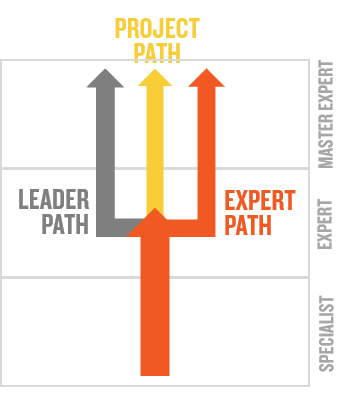
But if you want to learn how to lead projects, ideas and innovation, you need to study Expertship
Kim Johnson
Head of Organisation Development - Pacific
Aon


Since 2000, we've used one-on-one coaching to push executives to commercial and organisational success.
We have a proven track record with focused organisational development interventions: capability frameworks, scenario planning and strategy.
Barbara Miller
Director
People and Culture
Central Queensland University (CQU)


Our small group coaching process is the more effective way to develop frontline leaders.
It's short, sharp and effective development for busy, practical people.
Sally Sharman
Learning and Development Manager
DuluxGroup

Far more than the ‘soft skills’ you hear people talking about, enterprise skills make all the difference when it comes to subject matter experts delivering high performance and breakthrough value-add. Combined with their technical skills, they enable experts to fulfil their potential and make a big difference to their organization, customers and citizens, and the wider world.

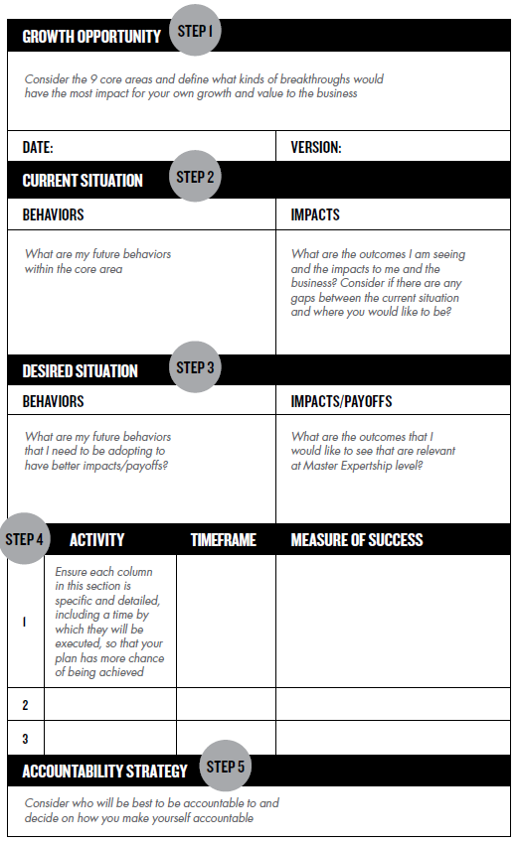
A “Master Expert” is a technical specialist who has mastered the relationship and commercial elements of a senior technical role - not just developed their technical expertise. Here are two tools for self-assessing your progress on that journey.

As experts rise in seniority, they increasingly need to understand strategy, your commercials, executive sponsorship and relationship building to be effective. Otherwise they get "stuck" in a role that does not keep them effective or happy. An intervention to coach the expert with better business skills can help them get "unstuck".

An expert needs commercial context to understand the role their expertise plays in creating value, but few technical specialists are formally trained in "understanding the commercials".

Without formal training, many experts are not aware of the different methods of influence available, and they may not use the most appropriate method at the best time. Here's a tool to help select between techniques, and plan for better results.











_Page_1.jpg)